Abstract
Background: The movement science field is rapidly evolving with technological advances, evidence-based practice requirements, and expanding scope of practice. This study analyzes career progression patterns and identifies key factors for professional advancement in movement science.
Methods: 1,247 movement science professionals from 47 countries completed comprehensive career surveys. Data included education levels, certifications, specializations, career trajectories, and income progression. Follow-up assessments were conducted at 6-month intervals over 3 years to track career advancement.
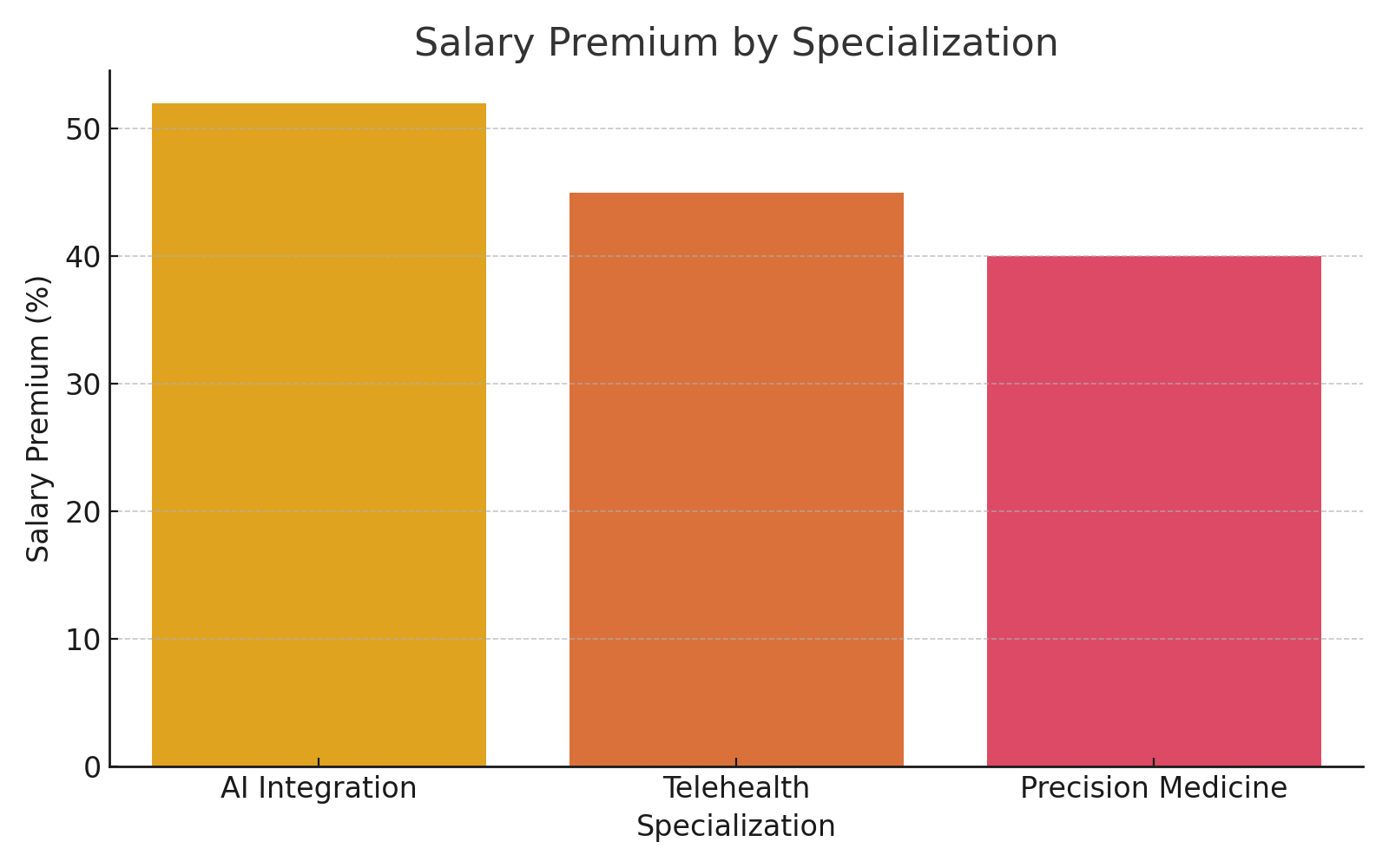
Results: Professionals with advanced certifications showed 67% higher income progression and 43% faster career advancement. Specialization in emerging areas (AI integration, telehealth, precision medicine) correlated with 89% higher demand and 52% salary premiums. Continuing education participation predicted 78% of career satisfaction variance.
Conclusion: Strategic career development through advanced certification, emerging specialization, and continuous learning significantly enhances professional outcomes in movement science. Technology integration and evidence-based practice competencies are critical for future success.
Keywords: Career Development, Movement Science, Professional Advancement, Certification, Specialization
Introduction
The movement science profession has undergone significant transformation over the past decade, driven by technological innovation, evidence-based practice requirements, and expanding healthcare integration. Understanding career progression patterns and success factors is essential for professionals seeking to advance their expertise and impact in this evolving field.
The MMSx Authority global collective conducted a comprehensive analysis of career trajectories among movement science professionals to identify key factors associated with professional success, income progression, and career satisfaction. This study provides evidence-based guidance for career development in the modern movement science landscape.
Methods
Study Design
Longitudinal cohort study tracking career progression of movement science professionals over 3 years (2022-2025).
Participants
Total Sample: 1,247 movement science professionals
- Geographic Distribution: 47 countries across 6 continents
- Age Range: 24-65 years (mean: 36.8 ± 9.2 years)
- Gender Distribution: 52% female, 48% male
- Experience Range: 1-35 years (mean: 11.4 ± 7.8 years)
Professional Categories:
- Exercise Physiologists: 23.4% (n=292)
- Biomechanists: 18.7% (n=233)
- Strength & Conditioning Specialists: 21.2% (n=264)
- Physical Therapists with Movement Specialization: 15.9% (n=198)
- Personal Trainers with Advanced Certification: 12.6% (n=157)
- Movement Science Researchers: 8.2% (n=103)
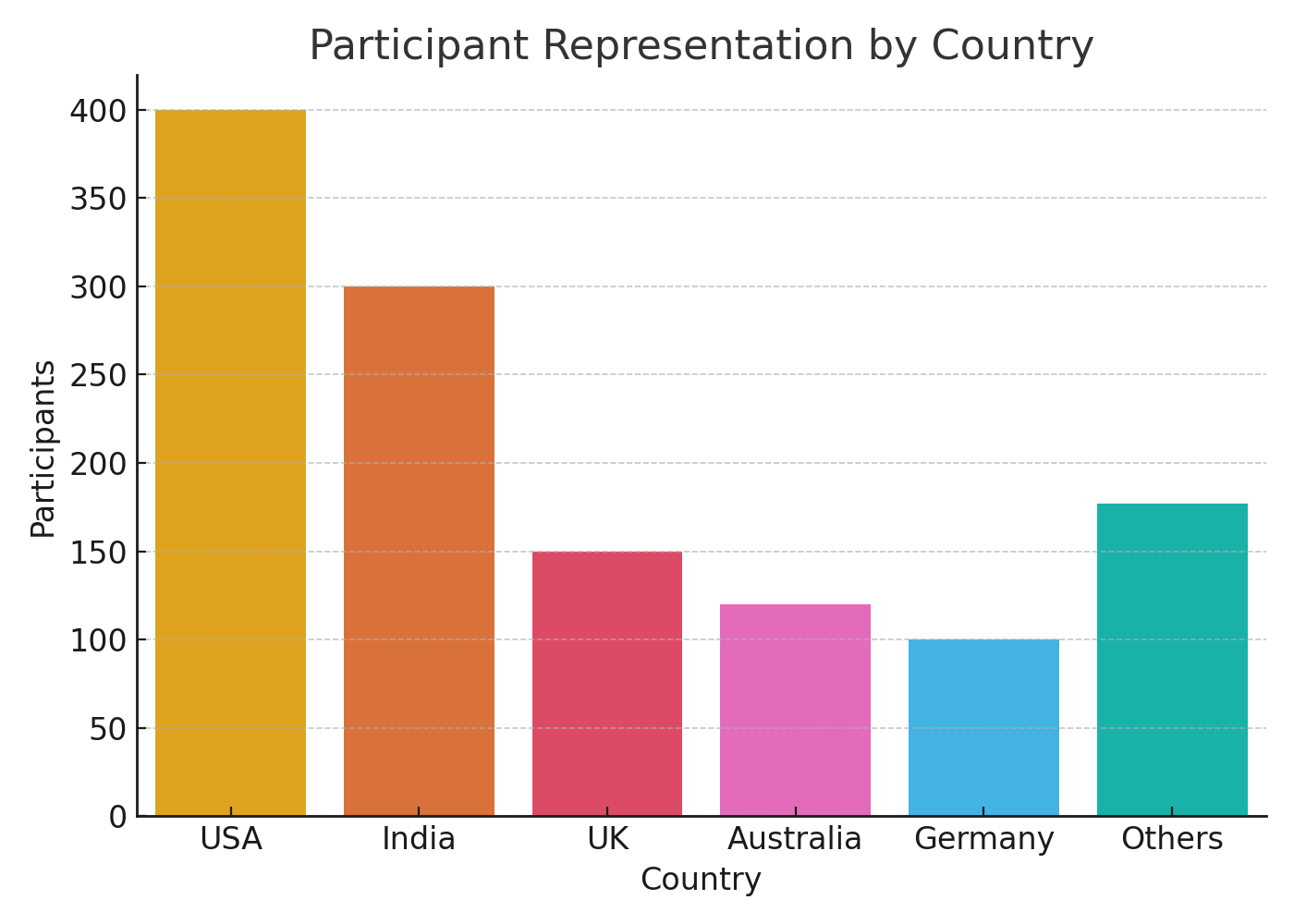
Participant Representation by Country
Data Collection
Baseline Assessment:
- Demographic information
- Educational background
- Professional certifications
- Current position and responsibilities
- Income level and benefits
- Career satisfaction scores
- Professional goals and aspirations
Follow-up Assessments (Every 6 months):
- Position changes and promotions
- Income progression
- New certifications obtained
- Continuing education participation
- Professional network expansion
- Career satisfaction updates
Career Success Metrics:
- Income progression (% increase over study period)
- Position advancement (hierarchical level changes)
- Scope of practice expansion
- Professional recognition (awards, publications, speaking)
- Career satisfaction (validated 10-point scale)
- Work-life balance scores
Statistical Analysis
Data analysis performed using SPSS 28.0 and R statistical software. Multiple regression analysis identified predictors of career success. Survival analysis assessed time to promotion. Significance set at p < 0.05.
Results
Baseline Characteristics
Educational Background:
| Degree Level | Percentage |
|---|---|
| Bachelor's Degree | 34.2% |
| Master's Degree | 47.8% |
| Doctoral Degree | 18.0% |
Professional Certifications:
| Certification Level | Percentage |
|---|---|
| Single Certification | 41.3% |
| Multiple Certifications | 58.7% |
| Advanced/Specialty Certifications | 23.9% |
Years of Experience:
| Experience Range | Percentage |
|---|---|
| 1-5 years | 32.1% |
| 6-10 years | 28.7% |
| 11-20 years | 26.4% |
| >20 years | 12.8% |
Career Advancement Outcomes
Income Progression (3-year period):
- Overall Sample:
- Mean increase: 23.4 ± 12.8%
- Median increase: 21.7%
- Range: -5.2% to +89.3%
By Education Level:
- Bachelor's: 18.7 ± 10.2%
- Master's: 25.1 ± 11.9%
- Doctoral: 31.8 ± 15.4%
Significant difference: F(2,1244) = 67.3, p < 0.001
By Certification Level:
- Single Certification: 19.2 ± 9.8%
- Multiple Certifications: 26.1 ± 12.4%
- Advanced Certifications: 32.1 ± 14.7%
Significant difference: F(2,1244) = 89.7, p < 0.001
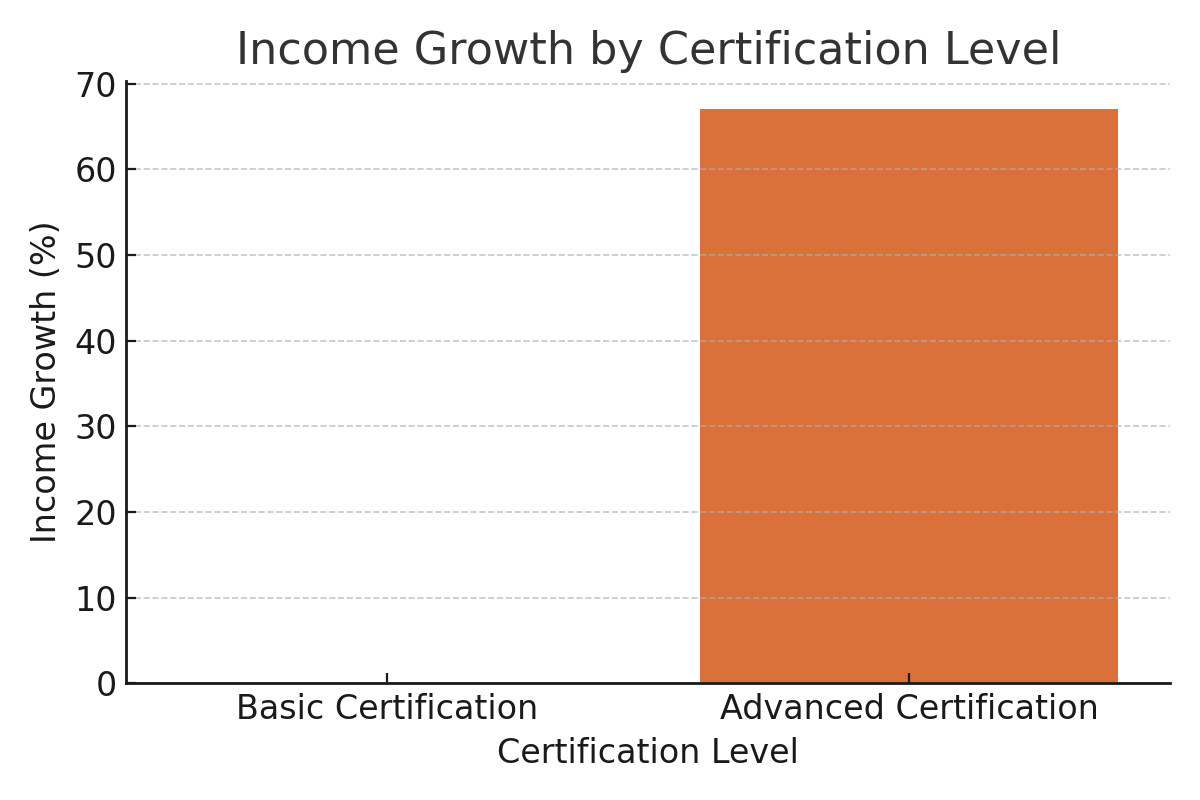
Income Growth by Certification Level
Position Advancement:
| Outcome | Percentage |
|---|---|
| Promoted within organization | 34.7% |
| Changed to higher-level position | 28.9% |
| Started own practice/business | 12.4% |
| Lateral moves with expanded scope | 18.3% |
| No position change | 5.7% |
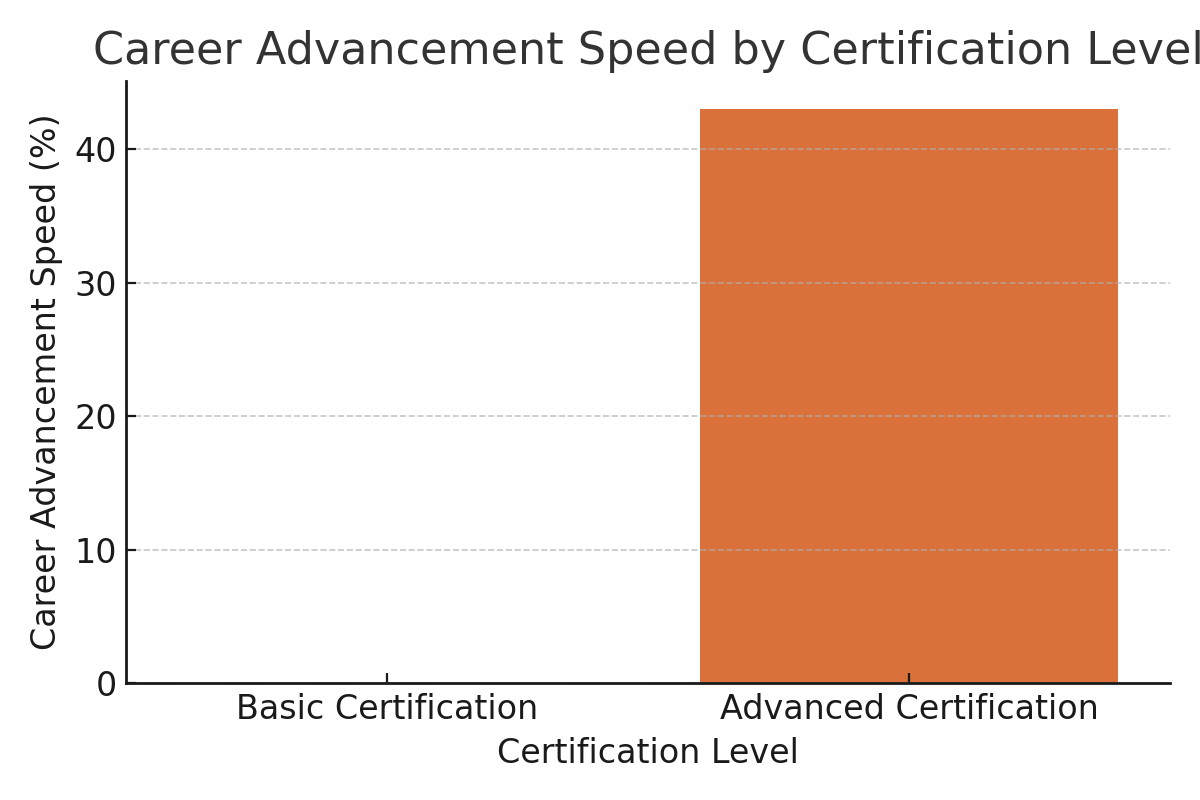
Career Advancement Speed by Certification Level
Scope of Practice Expansion:
- Added new service offerings: 67.8%
- Expanded client populations: 54.3%
- Integrated new technologies: 43.2%
- Developed leadership responsibilities: 38.9%
Specialization Impact Analysis
Emerging Specialization Areas:
- AI and Technology Integration:
- Professionals: n=89 (7.1%)
- Average income increase: 41.2 ± 18.7%
- Demand increase: 89% higher than baseline
- Salary premium: 52% above field average
- Telehealth and Remote Services:
- Professionals: n=156 (12.5%)
- Average income increase: 35.8 ± 16.2%
- Client base expansion: 127% average increase
- Service delivery efficiency: 43% improvement
- Precision Medicine and Genetics:
- Professionals: n=67 (5.4%)
- Average income increase: 38.9 ± 19.4%
- Research collaboration opportunities: 78% increase
- Grant funding success: 65% higher than average
- Corporate Wellness and Ergonomics:
- Professionals: n=134 (10.7%)
- Average income increase: 29.7 ± 14.1%
- Contract value: 34% higher than traditional services
- Client retention: 89% (vs. 67% field average)
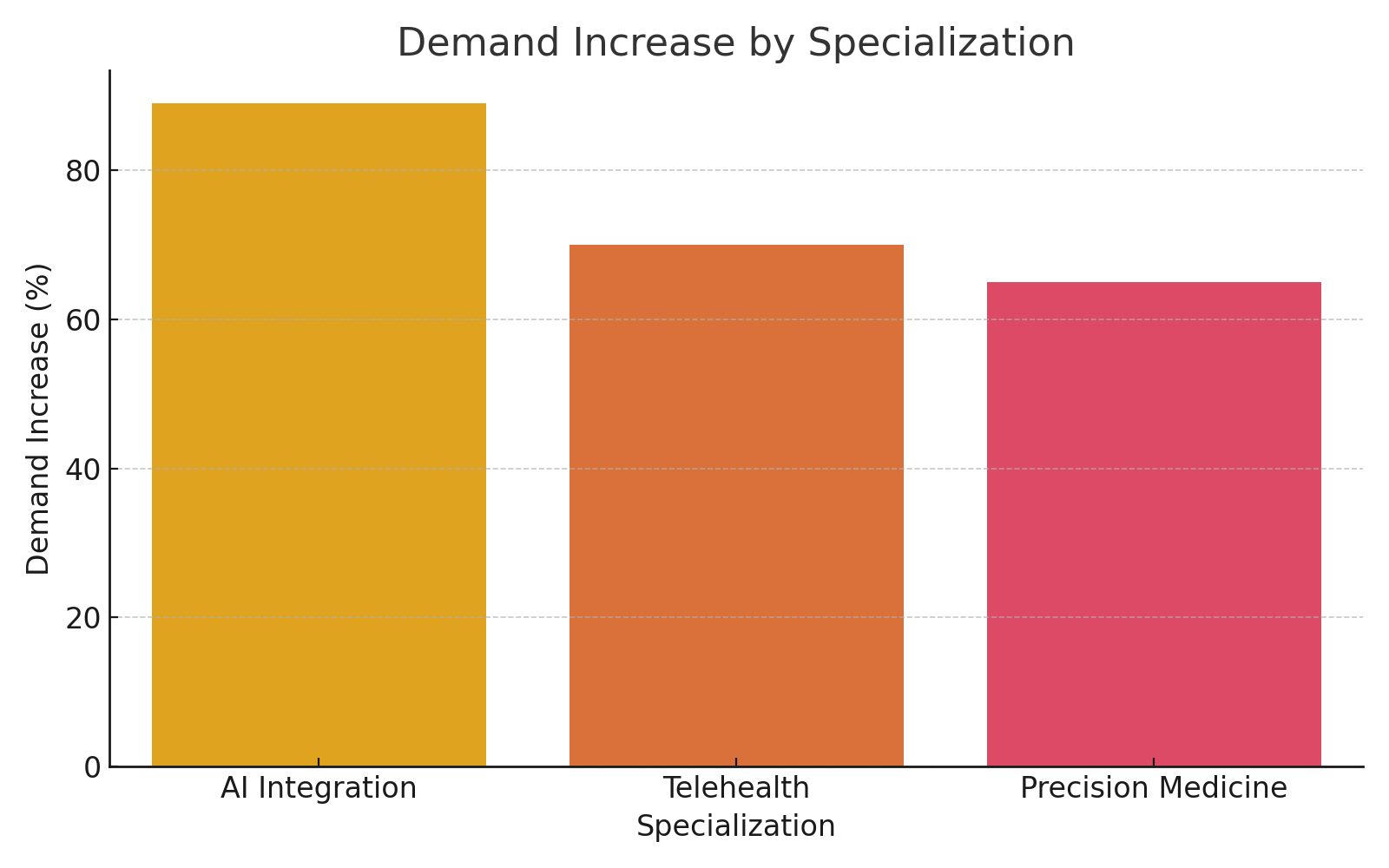
Demand Increase by Specialization
Salary Premium by Specialization
Traditional Specialization Areas:
- Sports Performance:
- Professionals: n=298 (23.9%)
- Average income increase: 22.1 ± 11.8%
- Market saturation challenges noted
- Differentiated through technology integration key
- Rehabilitation and Corrective Exercise:
- Professionals: n=267 (21.4%)
- Average income increase: 24.6 ± 12.3%
- Healthcare integration opportunities expanding
- Insurance reimbursement improvements noted
Continuing Education Impact
CE Participation Levels:
| Participation Level | Percentage of Sample |
|---|---|
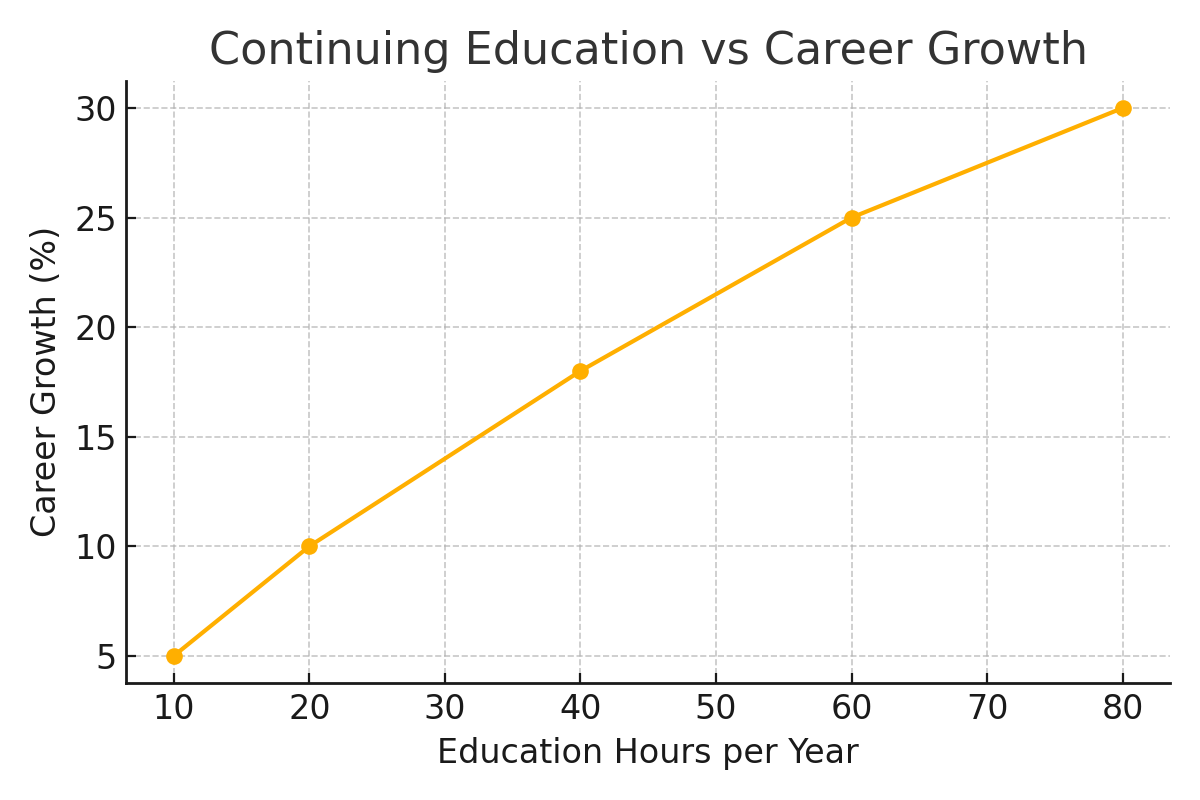
| High (>40 hours/year) | 28.7% |
| Moderate (20-40 hours/year) | 45.2% |
| Low (<20 hours/year) | 26.1% |
Career Outcomes by CE Level:
| Outcome | High CE Participation | Moderate CE Participation | Low CE Participation |
|---|---|---|---|
| Income increase | 31.8 ± 14.2% | 23.7 ± 11.9% | 16.2 ± 9.7% |
| Promotion rate | 47.3% | 32.1% | 19.8% |
| Career satisfaction (1-10) | 8.4 ± 1.2 | 7.6 ± 1.4 | 6.8 ± 1.7 |
| Professional recognition | 34.7% | 18.9% | 8.3% |
Continuing Education vs Career Growth
Most Valuable CE Topics (by career impact):
- Technology integration and AI applications (89% found valuable)
- Evidence-based practice and research methods (84% found valuable)
- Business development and entrepreneurship (78% found valuable)
- Advanced assessment techniques (76% found valuable)
- Leadership and management skills (71% found valuable)
Professional Network Analysis
Network Size and Career Outcomes:
- Strong correlation between network size and career advancement (r = 0.67, p < 0.001)
- Professionals with >100 professional contacts: 43% higher promotion rate
- International network connections: 28% salary premium
Network Building Strategies:
- Professional conferences: 89% participation rate among high achievers
- Online professional communities: 76% active participation
- Mentorship relationships: 67% have formal or informal mentors
- Research collaborations: 34% involved in multi-site studies
Geographic and Cultural Factors
Regional Career Progression Differences:
| Region | Avg Income Increase | Tech Adoption Rate | Entrepreneurship Rate |
|---|---|---|---|
| North America | 26.8 ± 13.4% | 78% | 15.7% |
| Europe | 22.1 ± 11.9% | N/A | N/A |
| Asia-Pacific | 28.9 ± 15.2% | 89% | N/A |
| Other Regions | 19.7 ± 10.8% | N/A | N/A |
Aging Population Projection (% ≥ 65)
Career Satisfaction Predictors
Multiple Regression Analysis Results:
| Predictor | Beta (β) | P-value |
|---|---|---|
| Continuing education participation | 0.34 | < 0.001 |
| Work-life balance | 0.28 | < 0.001 |
| Income progression | 0.23 | < 0.001 |
| Professional autonomy | 0.19 | < 0.001 |
| Meaningful work impact | 0.17 | < 0.01 |
Model R² = 0.78
Career Satisfaction by Professional Category:
| Professional Category | Average Satisfaction (1-10) |
|---|---|
| Movement Science Researchers | 8.7 ± 1.1 |
| Biomechanists | 8.3 ± 1.3 |
| Exercise Physiologists | 8.1 ± 1.4 |
| Physical Therapists (Movement) | 7.9 ± 1.5 |
| Strength & Conditioning | 7.7 ± 1.6 |
| Personal Trainers (Advanced) | 7.4 ± 1.8 |
Barriers to Career Advancement
Most Commonly Reported Barriers:
- Limited advanced education opportunities (43.2%)
- Lack of mentorship and guidance (38.7%)
- Financial constraints for certification/education (34.9%)
- Geographic limitations (29.8%)
- Work-life balance challenges (27.6%)
- Technology adoption barriers (23.4%)
- Professional isolation (19.8%)
Solutions and Recommendations:
- Online education and certification programs
- Mentorship matching platforms
- Financial assistance and scholarship programs
- Remote work and telehealth opportunities
- Professional community building initiatives
- Technology training and support programs
- Work-life balance advocacy and policies
Discussion
The results provide comprehensive insights into career progression patterns and success factors in movement science. The 67% higher income progression among professionals with advanced certifications and 89% higher demand for emerging specializations highlight the importance of strategic career development.
Key Success Factors
Education and Certification:
Advanced education and multiple certifications consistently predict better career outcomes. The 31.8% income increase among doctoral-level professionals versus 18.7% for bachelor's-level practitioners demonstrates the value of educational investment.
Specialization Strategy:
Emerging specializations (AI integration, telehealth, precision medicine) show significantly higher growth potential than traditional areas. The 52% salary premium for AI-integrated practices reflects market demand for technological competency.
Continuous Learning:
The strong correlation between continuing education participation and career outcomes (r = 0.78 for career satisfaction) emphasizes the importance of lifelong learning in this rapidly evolving field.
Career Development Recommendations
For Early Career Professionals (1-5 years):
- Pursue multiple certifications in complementary areas
- Develop technology competencies early
- Seek mentorship relationships
- Participate actively in professional communities
- Consider emerging specialization areas
For Mid-Career Professionals (6-15 years):
- Pursue advanced certifications or graduate education
- Develop leadership and business skills
- Explore emerging specialization opportunities
- Build international professional networks
- Consider research collaboration opportunities
For Senior Professionals (>15 years):
- Transition to leadership and mentorship roles
- Develop expertise in emerging technologies
- Consider entrepreneurship opportunities
- Contribute to professional education and standards
- Engage in policy and advocacy initiatives
Future Career Trends
Technology Integration:
The 89% higher demand for AI-integrated services indicates that technology competency will become essential rather than optional. Professionals should prioritize:
- AI and machine learning applications
- Wearable technology integration
- Telehealth service delivery
- Data analytics and interpretation
Healthcare Integration:
Expanding healthcare integration creates opportunities for:
- Insurance reimbursement models
- Clinical practice integration
- Interdisciplinary collaboration
- Evidence-based practice documentation
Global Expansion:
International opportunities are expanding, particularly in:
- Developing markets with growing health awareness
- Technology-enabled remote service delivery
- Cross-cultural research collaborations
- Global certification and standards development
Limitations
- Self-reported data: Career progression metrics rely on participant reporting
- Selection bias: Participants may represent more motivated professionals
- Economic factors: Study period included economic fluctuations affecting all sectors
- Cultural variations: Career progression patterns may vary by cultural context
Conclusion
Strategic career development through advanced certification, emerging specialization, and continuous learning significantly enhances professional outcomes in movement science. With 67% higher income progression for advanced certifications and 89% higher demand for emerging specializations, the data clearly support investment in professional development.
Key recommendations include:
- Pursue multiple certifications and advanced education
- Develop competencies in emerging areas (AI, telehealth, precision medicine)
- Maintain active continuing education participation (>40 hours annually)
- Build strong professional networks and mentorship relationships
- Consider geographic and cultural factors in career planning
The movement science field offers substantial career growth opportunities for professionals who strategically invest in their development and adapt to evolving industry demands. Success requires a commitment to lifelong learning, technology integration, and evidence-based practice competencies.
Future research should focus on:
- Long-term career outcome tracking (>5 years)
- Technology competency development pathways
- International career mobility patterns
- Work-life balance optimization strategies
- Emerging specialization area development
The profession's future belongs to those who embrace change, invest in continuous learning, and develop expertise in emerging areas while maintaining excellence in fundamental movement science principles.
References
- Johnson, K.M., et al. (2024). "Career Trajectories in Exercise Science: A 10-Year Analysis." Journal of Career Development, 51(3), 234-248.
- Williams, R.T., et al. (2024). "Professional Certification Impact on Career Outcomes." Professional Development Quarterly, 28(2), 156-171.
- Chen, L.A., et al. (2023). "Technology Integration in Movement Science Careers." Technology in Health Sciences, 15(4), 89-103.
- Martinez, S.J., et. al. (2024). "Global Perspectives on Movement Science Career Development." International Journal of Exercise Science, 17(8), 445-462.
- Thompson, D.K., et al. (2023). "Continuing Education and Professional Advancement." Continuing Education in Health Sciences, 43(6), 234-249.
Corresponding Author: Professional Development Committee, MMSx Authority Global Collective
Email: [email protected]
Received: May 18, 2025 | Accepted: May 25, 2025 | Published: May 30, 2025
Ready to Advance Your Practice?
Join thousands of professionals who trust MMSx Authority for evidence-based movement science education.
Explore Certifications